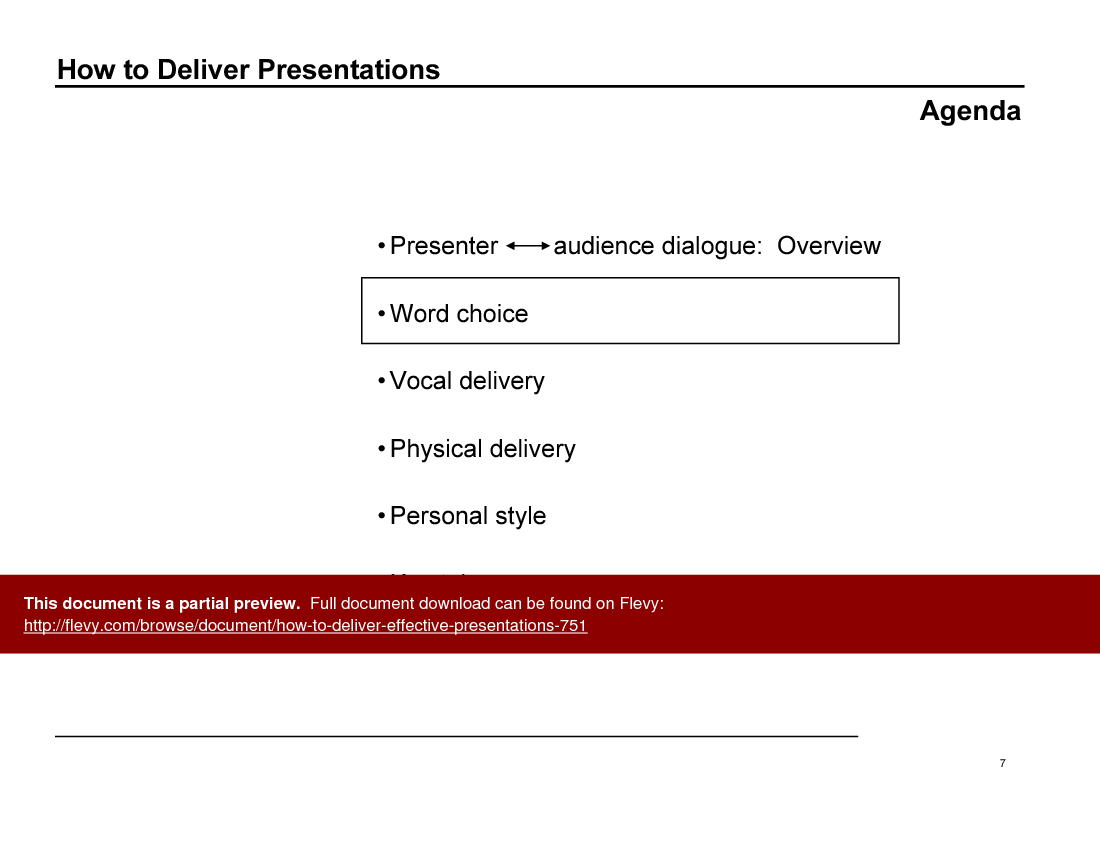

This presentation sets out effective ways to deliver a presentation. The approach covers:
• Word choice
• Vocal delivery
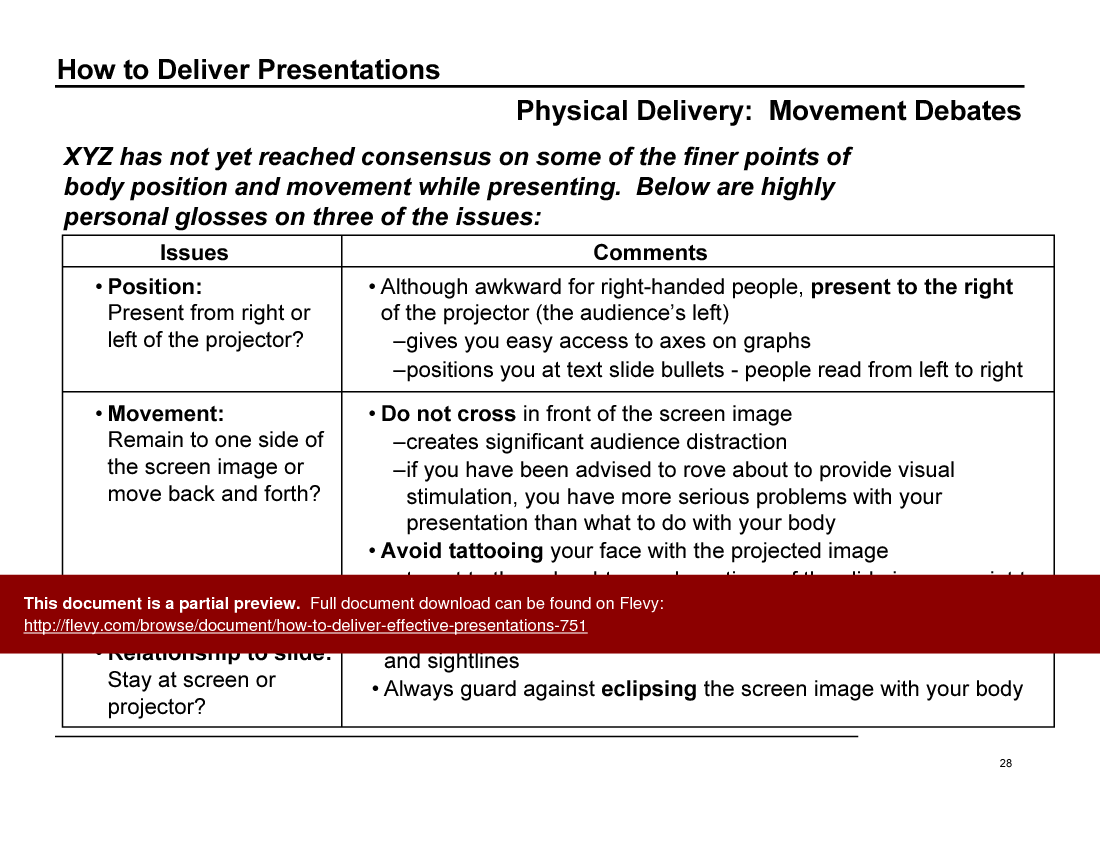
• Physical delivery
• Personal style
This is one of a series of training materials used by a global consulting firm for new hire training.
It is also a supplement to our other document, "Building Effective Presentations."
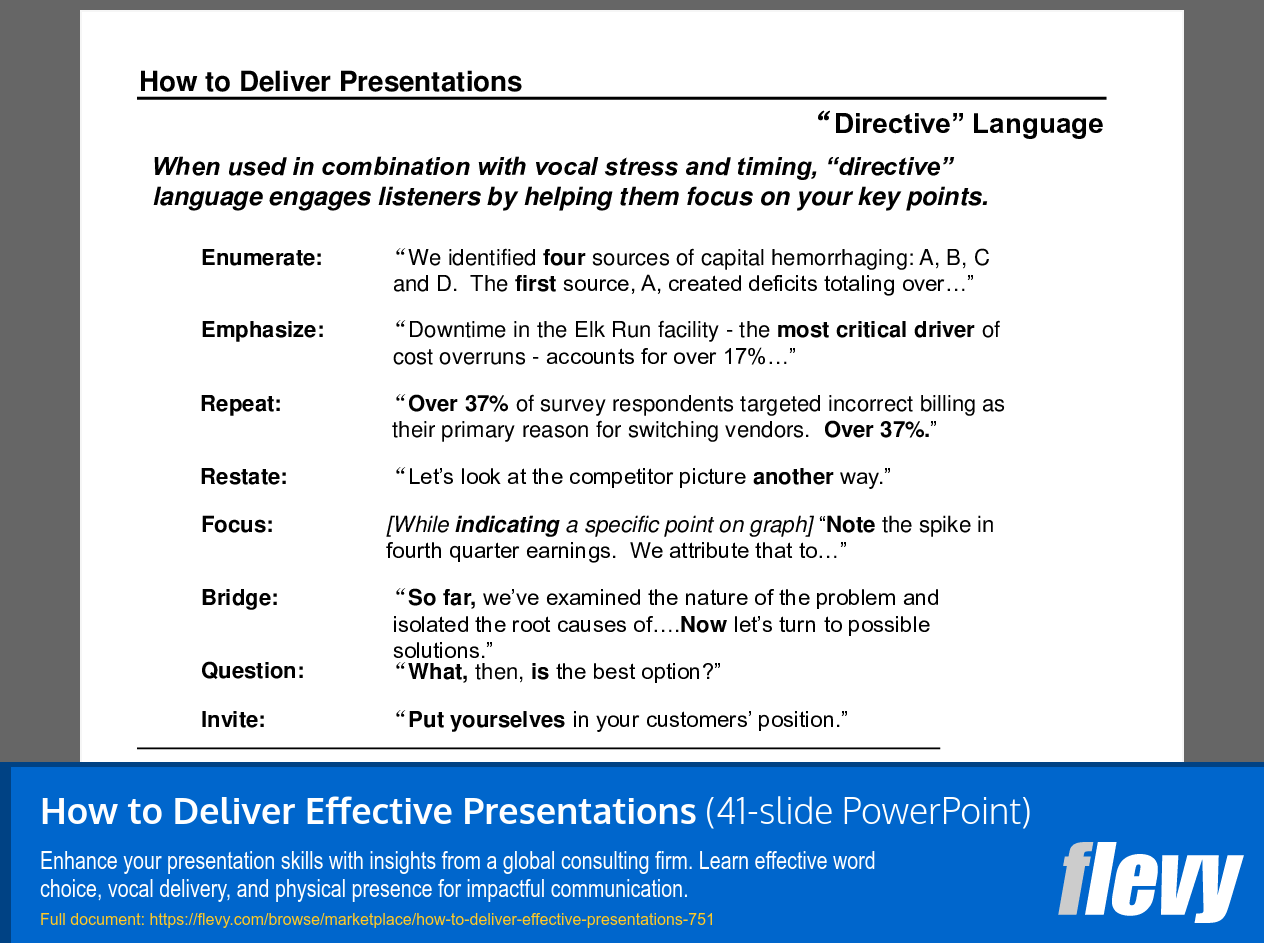
This document dives deep into the nuances of effective presentations, offering actionable insights on word choice, vocal delivery, physical delivery, and personal style. It emphasizes the importance of using active voice and direct speech to eliminate barriers to audience engagement. The section on word choice highlights common bad habits and provides better alternatives to enhance clarity and impact.
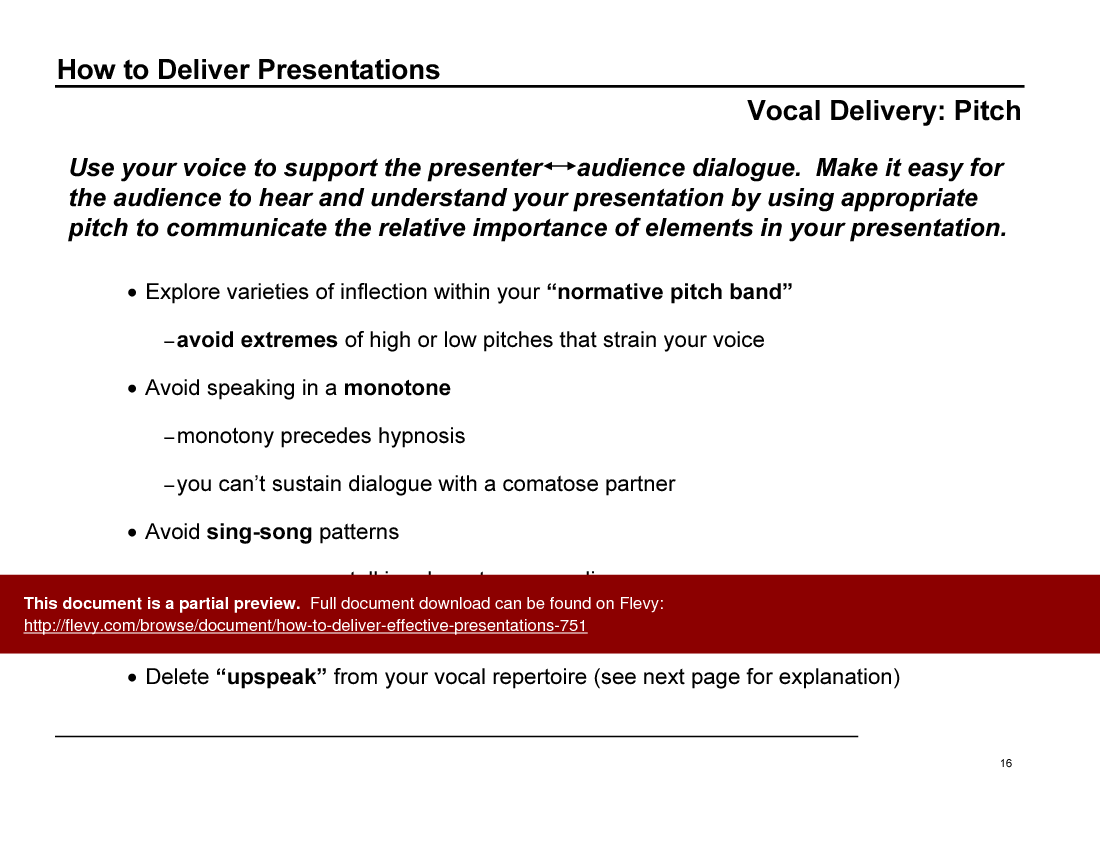
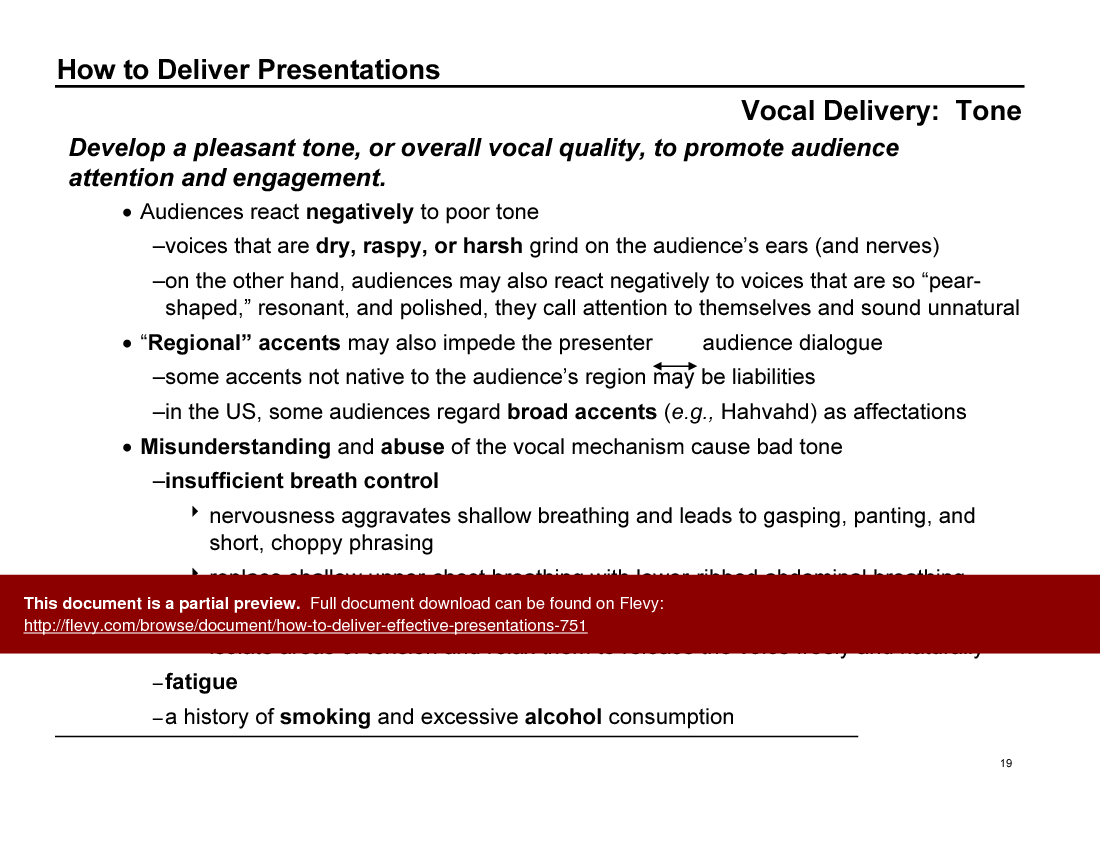
The guide also covers vocal delivery in detail, discussing pitch and tone. It advises against extremes in pitch and monotone speech, which can disengage the audience. Instead, it encourages exploring inflections within a normative pitch band to maintain interest. The document also addresses the impact of regional accents and offers strategies to manage them effectively.
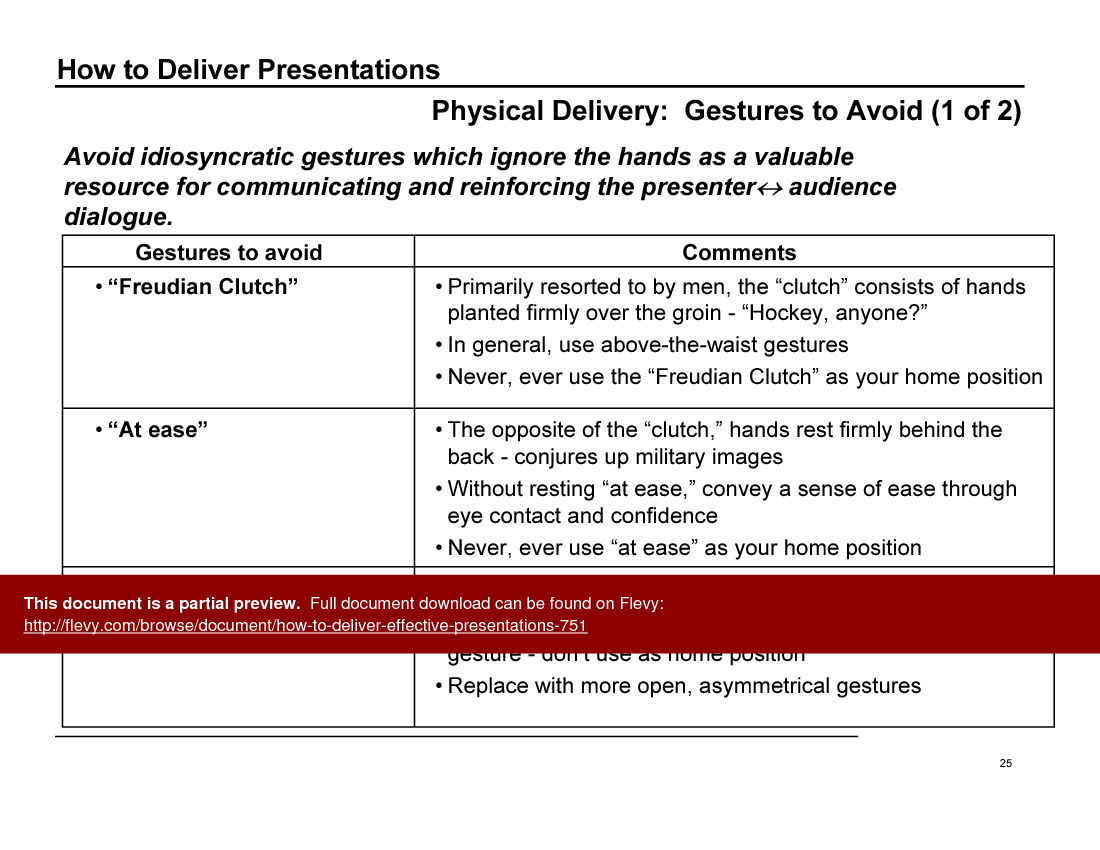
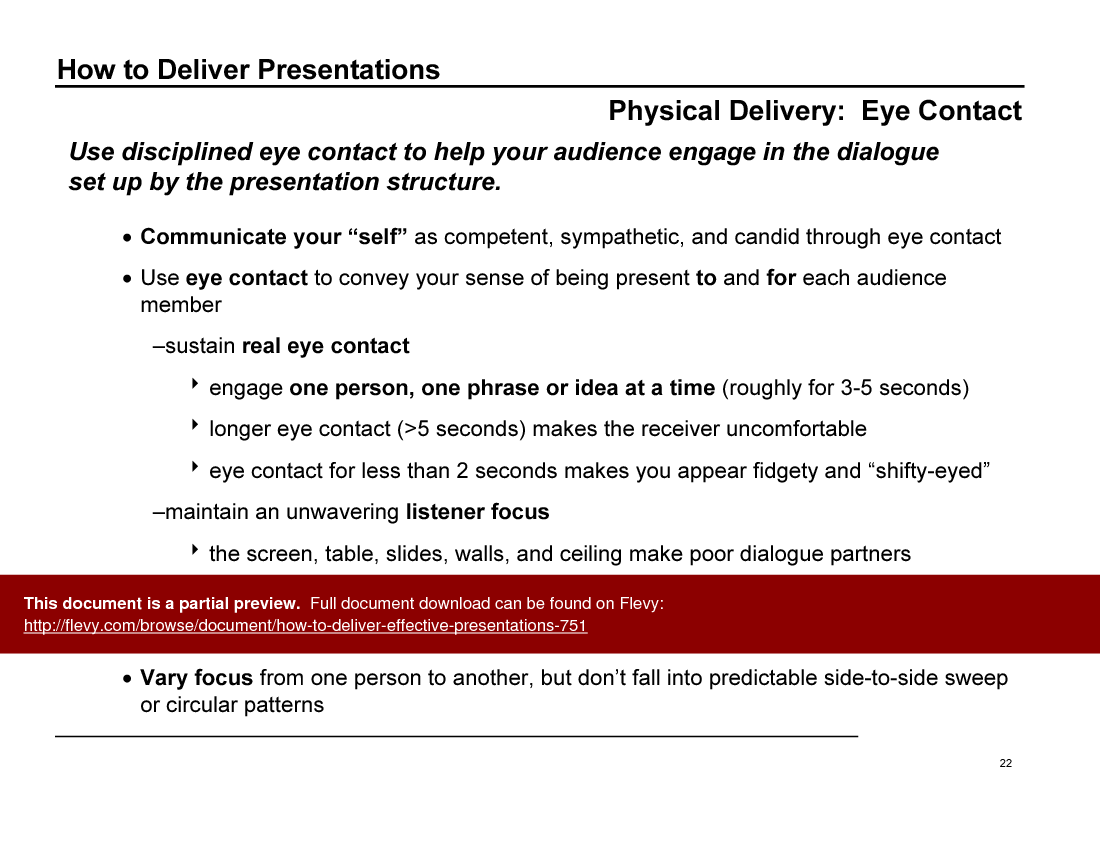
Physical delivery is another critical focus. The document outlines the importance of disciplined eye contact and avoiding idiosyncratic gestures that can distract from the message. It provides practical tips on maintaining an unwavering listener focus and varying eye contact to engage each audience member effectively.
The document tackles common fears associated with presenting. It offers remedies for overcoming the fear of performing poorly, fear of the audience, and fear that the presentation will not stand up to scrutiny. Techniques such as visualization, physical relaxation, and anticipating objections are discussed to help presenters build confidence and deliver compelling presentations.
Got a question about the product? Email us at support@flevy.com or ask the author directly by using the "Ask the Author a Question" form. If you cannot view the preview above this document description, go here to view the large preview instead.
Executive Summary
This presentation deck, titled "How to Deliver Effective Presentations," is designed to enhance presentation skills through a structured approach that mirrors the quality of McKinsey, Bain, or BCG (consulting-grade; not affiliated). It focuses on key elements such as word choice, vocal delivery, physical presence, and personal style to foster impactful communication. Buyers will gain the ability to engage audiences effectively, articulate insights clearly, and manage the dynamics of presenter-audience dialogue.
Who This Is For and When to Use
• Corporate executives seeking to improve their presentation skills
• Consultants aiming to deliver compelling client presentations
• Team leaders preparing for stakeholder engagements
• Trainers and facilitators conducting workshops or seminars
Best-fit moments to use this deck:
• Preparing for high-stakes presentations to executives or clients
• Conducting training sessions on effective communication
• Enhancing team presentations for project updates or proposals
• Engaging in public speaking events or conferences
Learning Objectives
• Define the core elements of an effective presentation
• Build a structured narrative using the Pyramid Principle
• Establish effective word choice that resonates with the audience
• Develop vocal delivery techniques to enhance engagement
• Master physical delivery skills, including eye contact and gestures
• Create a personal presentation style that conveys credibility
Table of Contents
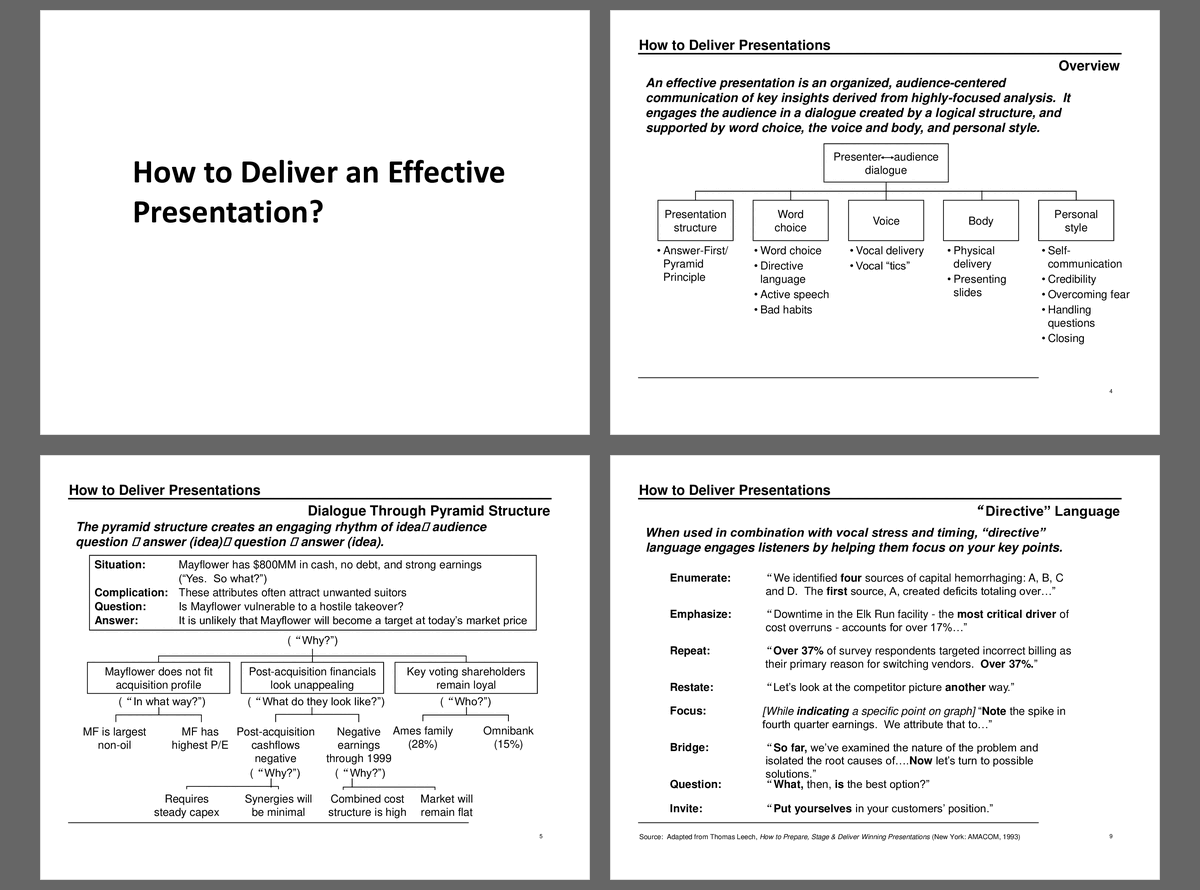
• Presenter Audience Dialogue: Overview (page 4)
• Word Choice (page 8)
• Vocal Delivery (page 15)
• Physical Delivery (page 22)
• Personal Style (page 35)
• Key Takeaways (page 41)
Primary Topics Covered
• Presenter Audience Dialogue - Engaging the audience through a structured dialogue that fosters interaction and understanding.
• Word Choice - Selecting language that meets audience expectations and enhances clarity while avoiding jargon and filler words.
• Vocal Delivery - Utilizing pace, pitch, volume, and tone to emphasize key points and maintain audience interest.
• Physical Delivery - Employing eye contact, gestures, and movement to reinforce the presentation and engage the audience.
• Personal Style - Developing a unique presentation style that reflects personal values and enhances credibility.
• Handling Questions - Techniques for effectively managing audience questions to foster dialogue and clarity.
Deliverables, Templates, and Tools
• Presentation outline template for structuring key insights
• Checklist for effective word choice and language use
• Vocal delivery practice guide focusing on pace and tone
• Physical delivery guide detailing eye contact and gesture techniques
• Personal style assessment tool for developing authentic presentation styles
• Q&A preparation template for anticipating audience inquiries
Slide Highlights
• Overview slide illustrating the importance of audience engagement
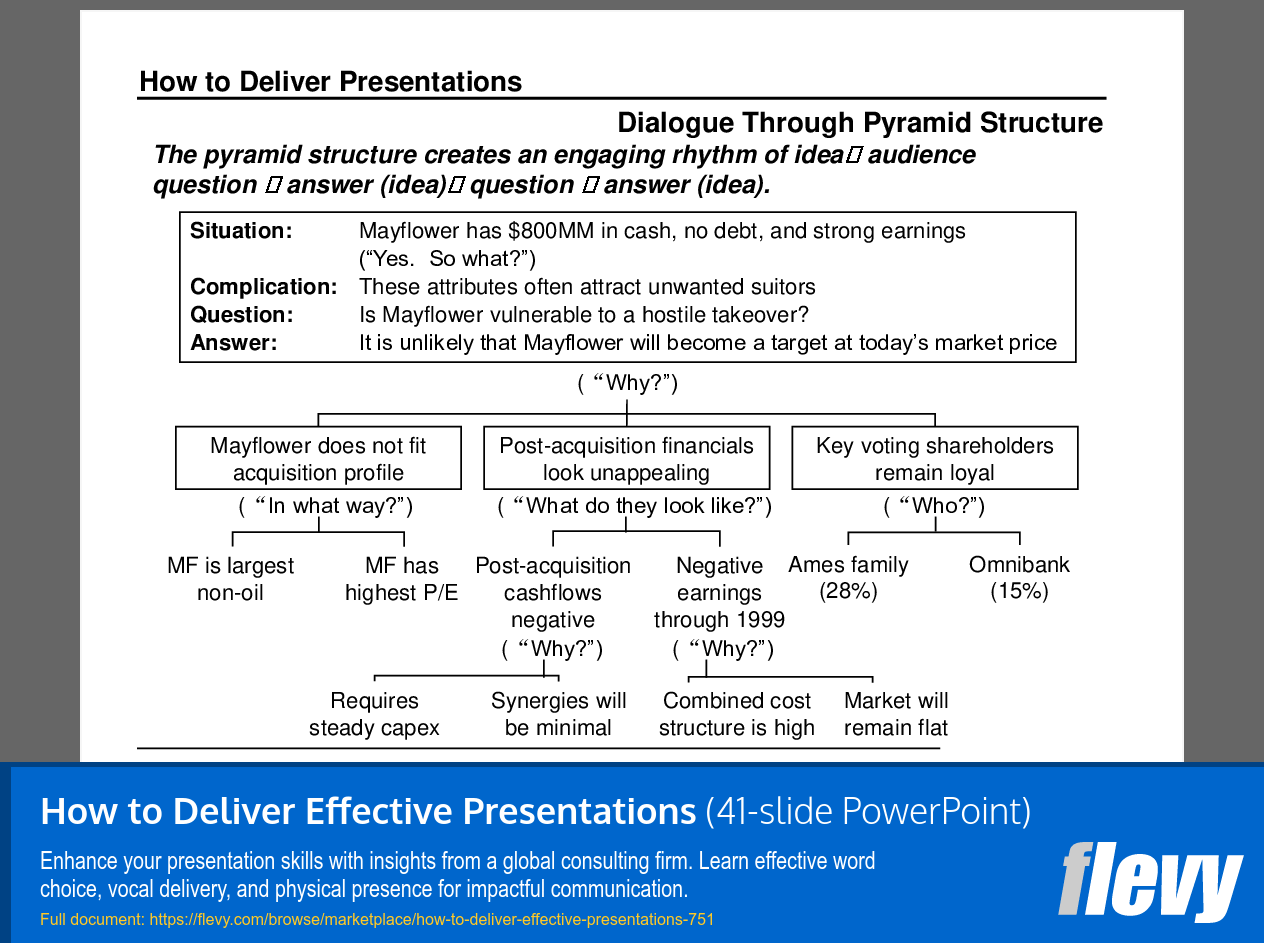
• Pyramid structure slide demonstrating the rhythm of idea-audience interaction
• Vocal delivery techniques slide emphasizing the role of pace and volume
• Gestures to avoid slide showcasing common distracting physical habits
• Key takeaways slide summarizing essential presentation skills
Potential Workshop Agenda
Introduction and Overview (30 minutes)
• Discuss the importance of effective presentations
• Introduce the Pyramid Principle for structuring content
Word Choice and Vocal Delivery (60 minutes)
• Explore effective language and vocal techniques
• Practice exercises for active speech and tone
Physical Delivery and Personal Style (60 minutes)
• Engage in activities focusing on eye contact and gestures
• Develop personal presentation styles through peer feedback
Q&A and Closing (30 minutes)
• Address participant questions and concerns
• Summarize key insights and next steps
Customization Guidance
• Tailor the presentation outline to fit specific audience needs and contexts
• Adjust word choice examples to align with industry-specific terminology
• Incorporate personal anecdotes or examples to enhance relatability
• Modify vocal delivery practices based on audience size and setting
• Adapt physical delivery techniques to suit the presentation environment
Secondary Topics Covered
• Audience engagement strategies
• Techniques for managing presentation anxiety
• Best practices for using visual aids effectively
• Strategies for handling difficult questions during Q&A
• The role of storytelling in presentations
FAQ
What is the Pyramid Principle?
The Pyramid Principle is a structured approach to presenting ideas that creates a rhythm of idea-audience interaction, enhancing engagement and clarity.
How can I improve my word choice in presentations?
Focus on using clear, direct language that resonates with your audience, avoiding jargon and filler words to maintain engagement.
What techniques can I use to enhance my vocal delivery?
Vary your pace, pitch, and volume to emphasize key points and maintain audience interest throughout your presentation.
How important is eye contact during a presentation?
Eye contact is crucial for establishing connection and credibility with your audience, making them feel engaged and valued.
What should I do if I feel nervous before presenting?
Practice your material thoroughly, visualize success, and use relaxation techniques to manage anxiety and build confidence.
How can I handle audience questions effectively?
Anticipate potential questions, actively listen to each inquiry, and respond thoughtfully to foster a productive dialogue.
What are some common physical delivery mistakes to avoid?
Avoid distracting gestures, excessive movement, and failing to maintain eye contact, as these can disengage your audience.
How can I develop my personal presentation style?
Identify your comfort level with various presentation styles, practice regularly, and seek feedback to refine your approach.
Glossary
• Presenter Audience Dialogue - The interactive communication between the presenter and the audience that enhances engagement.
• Pyramid Principle - A structured method for organizing presentation content to facilitate audience understanding.
• Vocal Delivery - The use of voice elements such as pace, pitch, and volume to convey messages effectively.
• Physical Delivery - The use of body language, gestures, and movement to reinforce presentation content.
• Personal Style - An individual's unique approach to presenting that reflects their values and enhances credibility.
• Key Takeaways - Essential insights and lessons learned from a presentation.
• Active Speech - Engaging language that eliminates barriers to audience participation.
• Eye Contact - Sustained visual engagement with audience members to build connection and credibility.
• Gestures - Physical movements used to emphasize points and enhance communication.
• Q&A - A session for addressing audience questions and fostering dialogue.
• Presentation Anxiety - The fear or nervousness experienced before or during a presentation.
• Visual Aids - Tools such as slides or charts used to support and enhance presentations.
Source: Best Practices in Presentation Delivery PowerPoint Slides: How to Deliver Effective Presentations PowerPoint (PPT) Presentation Slide Deck, Documents & Files
This document is available as part of the following discounted bundle(s):
Save %!
Essential Consulting Skill Builder
This bundle contains 19 total documents. See all the documents to the right.
|
Download our FREE Strategy & Transformation Framework Templates
Download our free compilation of 50+ Strategy & Transformation slides and templates. Frameworks include McKinsey 7-S, Balanced Scorecard, Disruptive Innovation, BCG Curve, and many more. |